


 English
 русский
 Español
 Português
 italiano



C-series Agricultural Conjoined Gearbox Manufacturer
C-series integrated conjoined gearbox is divided into two versions: an aluminum alloy shell and a cast iron shell. It adopts a multi-box coaxial rigid conjoined structure, which can freely match the number of boxes and adjust the total installation length of the assembly according to the working width of machines and tools. The integrated series drive design can ensure the synchronous operation of multiple output shafts, and the torque distribution is uniform without speed deviation; The aluminum shell has light weight and excellent heat dissipation efficiency, and is suitable for small and medium horsepower light fertilizer spreading equipment; The cast iron model has a thick structure and strong torsional bearing capacity, which can cope with the continuous heavy-load working conditions of large-width, heavy-load organic fertilizer spreading equipment. The overall modular assembly is simple and convenient, and the installation adaptability is wide, which can match the long-span multi-point power output requirements of various types of fertilizing and throwing agricultural machinery.
Typical application fields
• Manure spreader
-
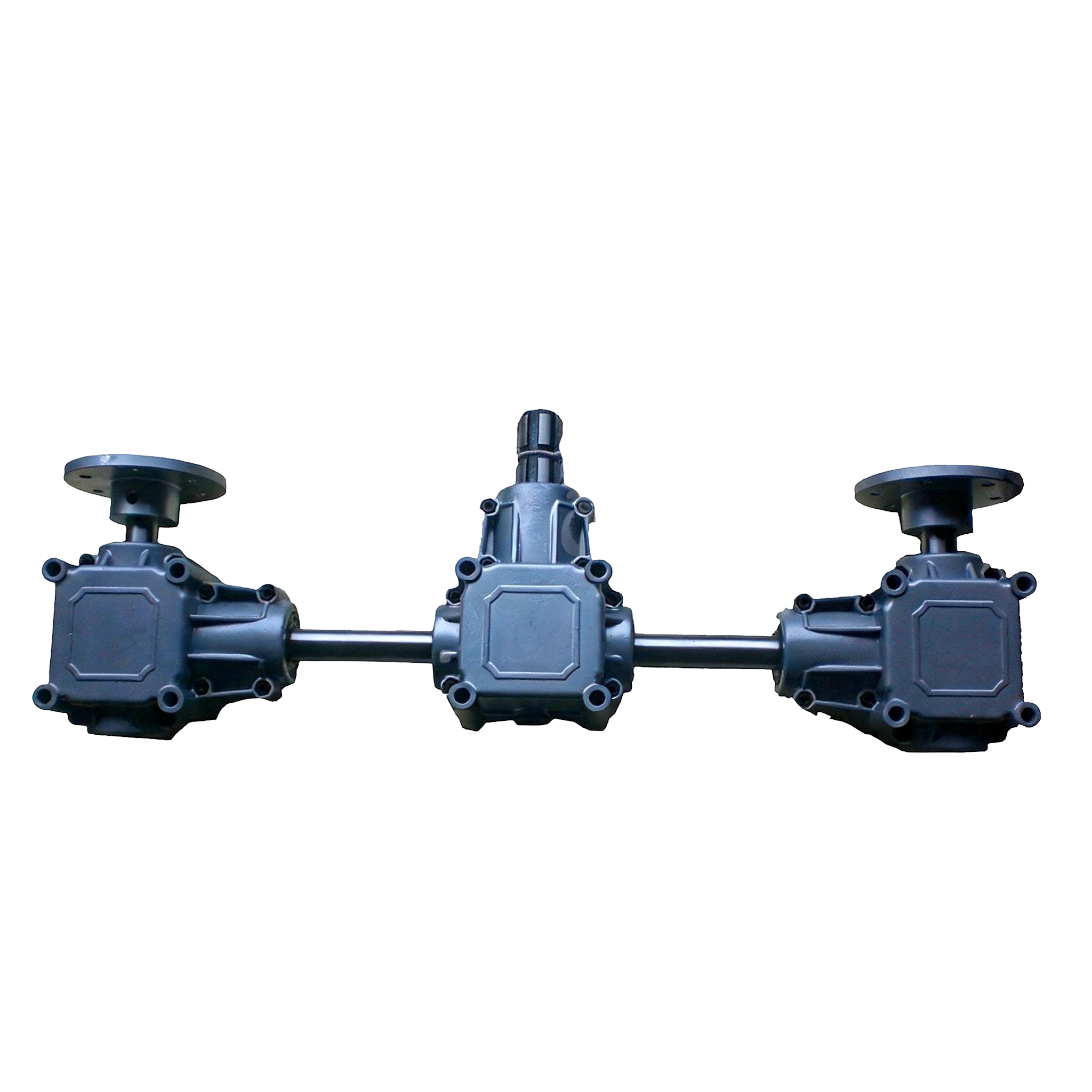
ND C3-9090 Triple Bevel Gearbox Aluminum Housing for Fertilizer Spreader
Product OverviewThe ND C3-9090 triple bevel gearbox is a lightweight three-way t... -
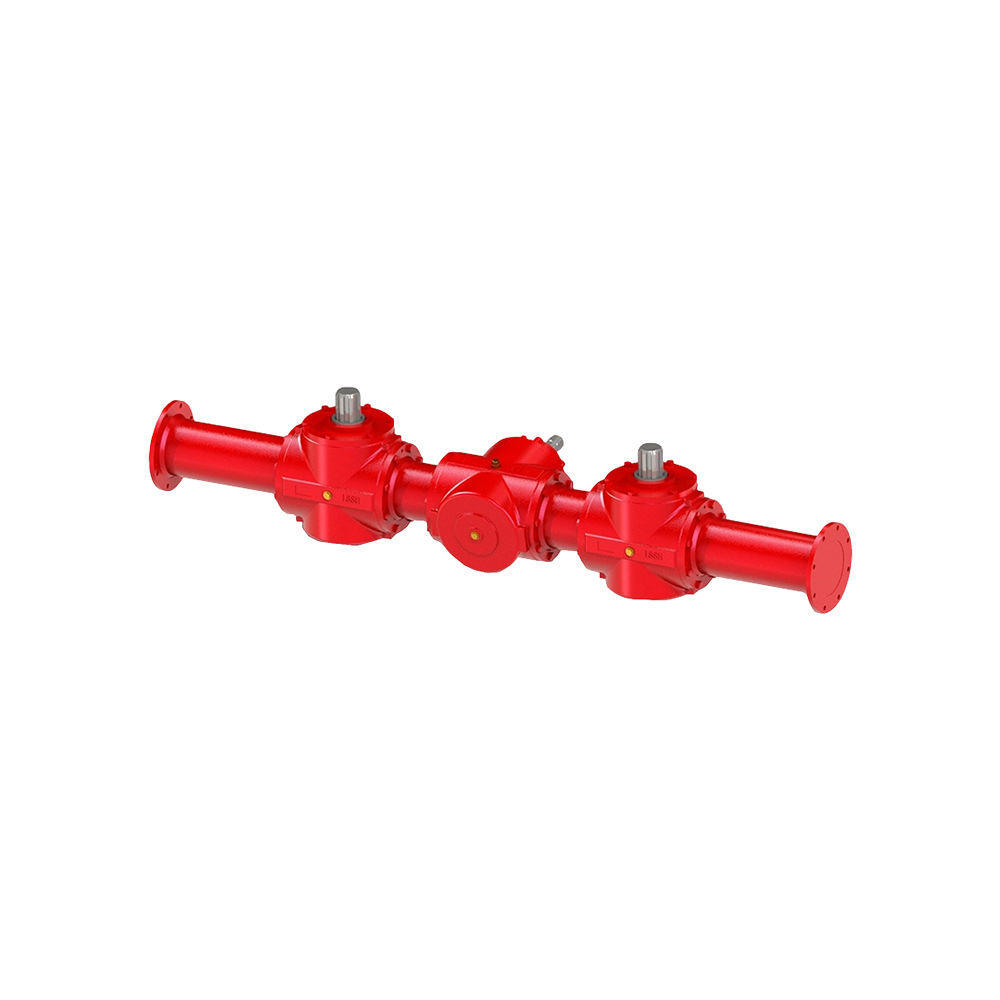
ND C69 Triple Unit Cast Iron Bevel Gearbox for Manure Spreader
Product OverviewThe ND C69 triple-unit cast iron bevel gearbox is a heavy-duty t...
ABOUT US
Your Trusted Partner in Agricultural
Transmission Solutions
Hangzhou Hengnie Machinery Co., Ltd.
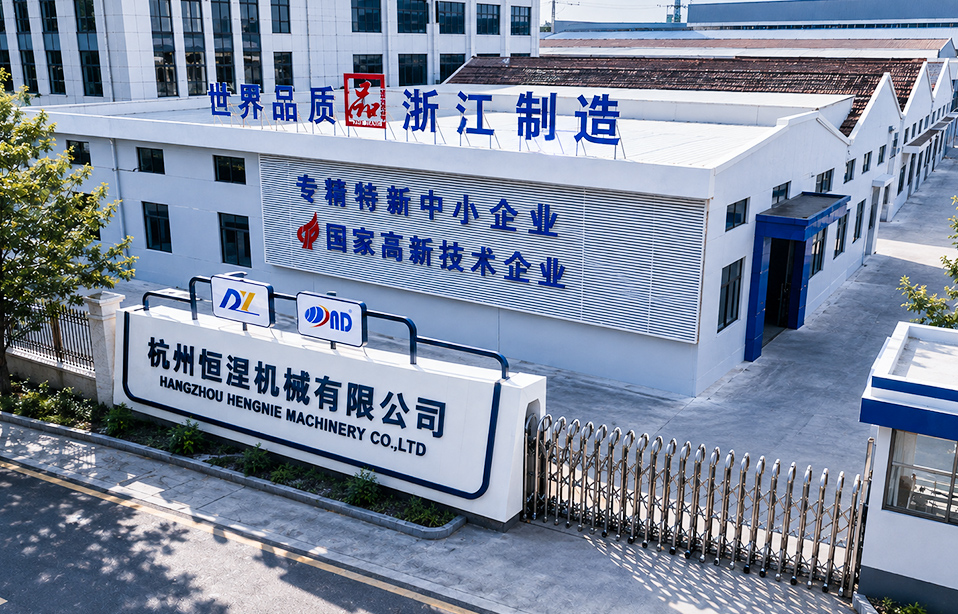
Founded in 2010, Hangzhou Hengnie Machinery Co., Ltd., located in Xiaoshan Industrial Park, Hangzhou, is a high-tech enterprise integrating R&D, production, sales, and technical services. It has been designated a National Specialized, Refined, and Innovative Enterprise. The company boasts a professional R&D team and numerous independent patents, focusing on the R&D and production of various agricultural machinery gearboxes and transmission components.
As a professional China C-series Agricultural Conjoined Gearbox Manufacturer and custom agricultural 3-units combined helical gearbox factory, Offering a complete range of products, it can customize to order and provides intelligent product customization services. The company owns the brands "ND," "AG," and "DY," and its products are compatible with various agricultural machinery and intelligent products. Over 85% of its products are exported to Europe, America, and Australia. With superior quality, technical strength, and excellent service, it has won global customer recognition. We sincerely welcome customers from all walks of life to cooperate for mutual benefit!
As a professional China C-series Agricultural Conjoined Gearbox Manufacturer and custom agricultural 3-units combined helical gearbox factory, Offering a complete range of products, it can customize to order and provides intelligent product customization services. The company owns the brands "ND," "AG," and "DY," and its products are compatible with various agricultural machinery and intelligent products. Over 85% of its products are exported to Europe, America, and Australia. With superior quality, technical strength, and excellent service, it has won global customer recognition. We sincerely welcome customers from all walks of life to cooperate for mutual benefit!
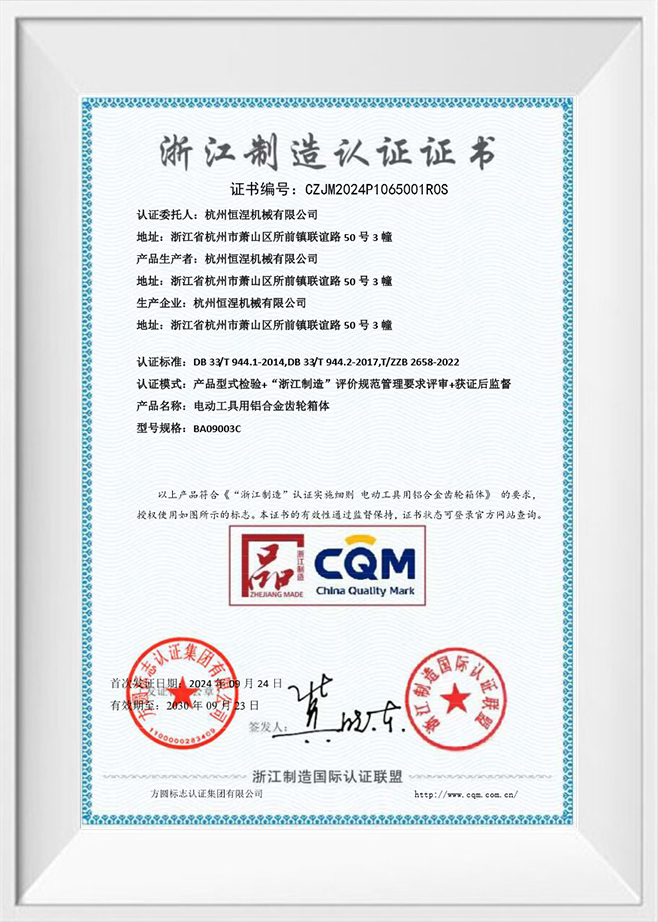
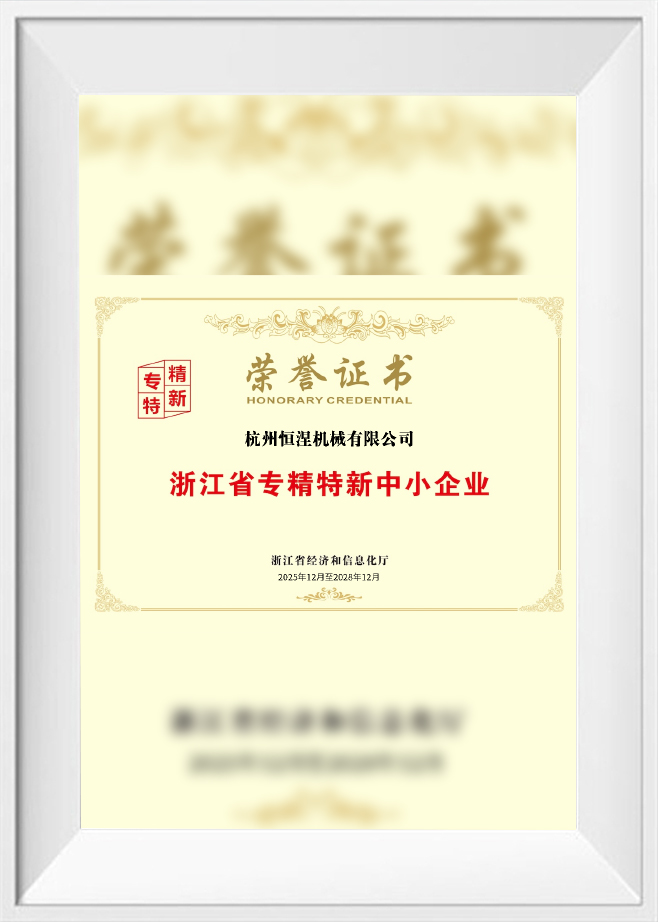
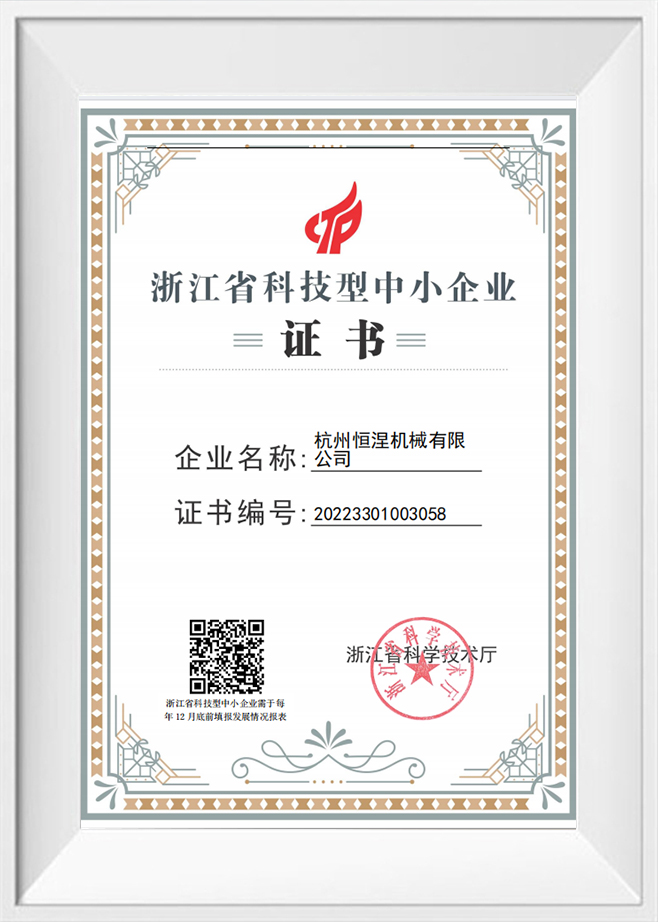
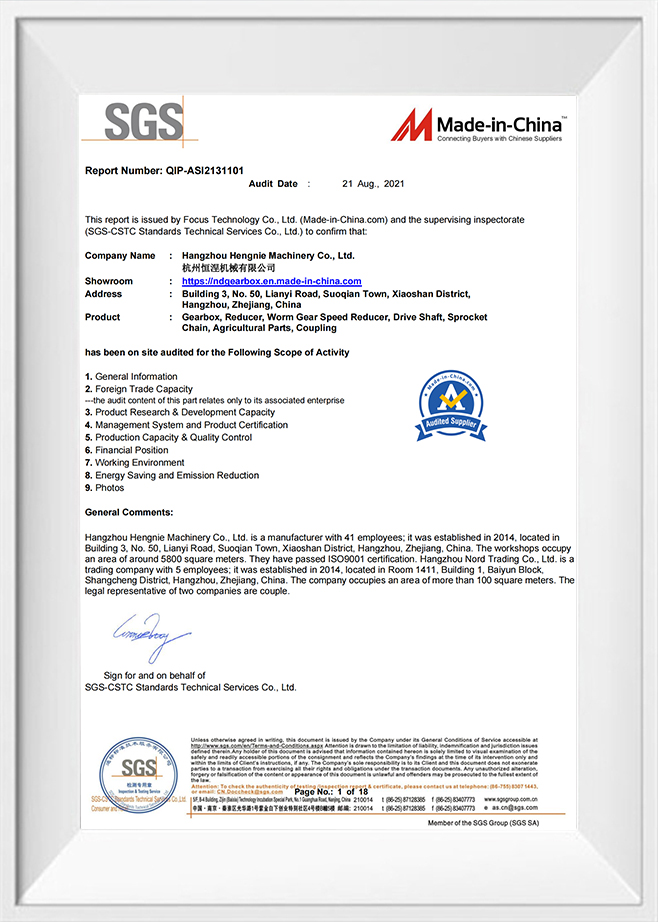
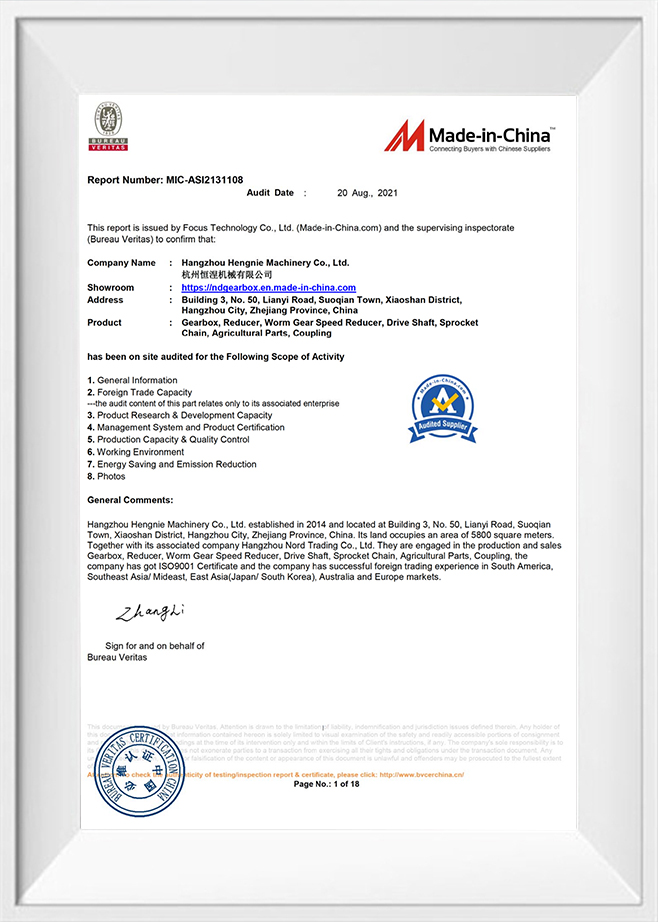
Honor
News
-
Industry News 2026-11-16
A rotary rake is built around one simple demand: a single tractor PTO shaft has to spin a whole row of tine rotors at matched speed and matched phase. The part that makes this possible is the rake gearbox, and in the HR series it is built as a one-input, mult...
View More -
Industry News 2026-11-09
A power harrow earns its reputation in the field, but the part that decides whether it survives a full season is usually hidden under a cover. The gearbox takes the PTO input from the tractor, redirects or steps it down, and delivers controlled torque to the ...
View More -
Industry News 2026-11-02
Corn headers are unforgiving drivetrains. Snapping rolls must turn slowly while carrying high torque, gathering chains must stay synchronized on both sides, the cross auger has to move a heavy mat of stalks, and any of these functions can seize within a secon...
View More
Contact us now
Industry Knowledge Expansion
C-Series Conjoined Gearboxes: Synchronized Multi-Point Drive for Spreading Equipment
Hangzhou Hengnie Machinery builds the C-series Agricultural Conjoined Gearbox Manufacturer range for implement makers that need multiple synchronized outputs from one tractor PTO input. The design uses a multi-box coaxial rigid connection: instead of one long shaft with separate right-angle boxes, the C-series units are assembled as one structurally connected drive train. The number of boxes and the overall C-C length are adapted to the implement's working width, so the same manufacturing platform covers compact fertilizer spreaders and heavy organic manure spreaders.
We operate as a direct manufacturer in Xiaoshan, Hangzhou, China, with gear cutting, housing machining, assembly and testing under the same roof. That allows us to respond to ODM/OEM projects with a concrete configuration rather than a catalog-only answer. For this product family, the core value is mechanical synchronization: multiple output shafts run at the same relative speed, torque is distributed evenly, and the rigid assembly resists the vibration and shock loads typical of spreading work.
What the C-Series Range Covers
The C-series integrated conjoined gearbox is divided into two production versions:
- Aluminum alloy housing version – lightweight with good heat dissipation, developed for small and medium horsepower fertilizer spreading equipment where total machine mass matters.
- Cast iron housing version – thick-walled with strong torsional rigidity, developed for large-width manure and organic fertilizer spreaders under continuous heavy load.
The following reference models define the current catalog:
| Reference model | Housing | Configuration | Reference parameters | Typical machine fit |
|---|---|---|---|---|
| ND C3-9090 | Aluminum alloy | Triple bevel gear, three-way power distribution | Ratio 1:1.35–1:1–1:1.35, C-C length 580 mm | Fertilizer spreader, granular distribution, small and medium implements |
| ND C69 | Cast iron | Triple-unit bevel gear, reinforced shafts and bearings | Ratio 2.29:1, 300 hp, 1000 rpm input, assembly length 1100–2380 mm | Manure spreader, organic fertilizer machinery, continuous heavy load |
| Multi-box custom assembly | Aluminum or cast iron | Number of boxes and C-C spacing matched to working width | Determined by PTO power, input speed and output spacing | Long-span spreader frames and multi-point agricultural drives |
Configuration Flexibility and Critical Specifications
The C-series is not a single fixed model. We supply the assembly as a sequence of bevel gear stages connected rigidly in line. The advantage is that the number of boxes, C-C spacing and total length follow the spreader frame rather than the spreader frame having to fit a standard gearbox.
From a technical standpoint, the variables we work with are:
- Number of gearboxes and output positions along the span.
- Input and output shaft types: splined, keyed or solid, with required extension and diameter.
- Individual bevel ratios and overall ratio, covering examples from 1:1 to 2.29:1.
- Sealing and breather layout against fertilizer dust, moisture and cleaning pressure.
- Internal lubrication circuit to keep all gear stages and bearings supplied.
- Mounting face, dowel positions and total assembled length to match the OEM frame.
Because the gear stages are mechanically coupled, there is no speed deviation between outputs and no electronic synchronization is required. That is the practical engineering advantage of the conjoined construction on a long spreader: the drive train stays in phase even when individual sections of the machine load differently.
Application Fit in Fertilizer and Manure Spreading Lines
The main application fields for this category are fertilizer spreaders and manure spreaders. Typical driven functions include spinner discs, feed rollers, beaters and stirring components across the width of the machine.
The aluminum version fits dry granular fertilizer spreaders and smaller implements where light weight and heat dissipation are priorities. The cast iron version fits manure and organic fertilizer spreaders that operate at higher torque for longer periods and are exposed to corrosive residue and humid soil conditions.
For related agricultural machinery applications, the same engineering team supplies Application-specific Gearboxes for power harrows, round balers, corn headers and sprayer pumps. This gives an OEM one source for drive units across multiple implement lines.
Engineering Approach and Project Support
We get involved in the early technical phase of a project. Before quoting, our team reviews the machine type, drive line layout, duty cycle and installation boundaries. If the customer provides drawings or samples, we verify the interface and propose changes where they improve service life or simplify assembly.
As a direct manufacturer, we maintain in-house R&D, mold development and machining capability. That means an ODM project does not stop at drawing approval: we control the production process, tooling and equipment setup. Our production base uses a streamlined assembly-line model and can run several C-series variants in parallel, which is important for OEMs ordering multiple spreader models in the same season.
When the working point falls outside the standard envelope, we use the Custom Gearboxes route and develop a specific housing, shaft arrangement or sealing solution for the machine.
Quality Assurance and Acceptance Testing
Our quality system is based on incoming material control, process monitoring and final product inspection. The inspection gate covers dimensional accuracy, gear performance, sealing, assembly status, surface finish and export packaging before release.
For C-series assemblies, the acceptance points that matter are housing alignment, bevel gear contact pattern, bearing preload, shaft seal fit and oil-tightness. These checks protect the long-span installation against the two most common field failures: misalignment between stages and contamination entering the gear chamber.
If the project requires factory acceptance testing, we arrange the test sequence according to the agreed acceptance criteria and provide the corresponding records and reports in the order file.
Installation, Service and Documentation
A C-series gearbox arrives as a complete assembly ready to bolt onto the spreader frame. The main installation variables are PTO speed, mounting flatness and shaft alignment. For spreader OEMs, the housing is usually located by dowels or a machined register, and the output shafts are aligned with the driven components.
No external oil pump or control wiring is required. The gearbox is lubricated by its internal oil circuit, so the main routine tasks are checking oil level, keeping the breather clean and inspecting shaft seals for damage from fertilizer dust. Standard seals and bearings are specified so the unit can be serviced through normal dealer channels.
For operator safety, the gearbox housing is fully enclosed and only the shaft ends are exposed. The implement designer remains responsible for guarding the PTO shaft and exposed rotating connections according to the target market requirements for the machine.
After delivery we provide drawings, specification manuals and installation guidance, and our engineers support remote troubleshooting during commissioning and field operation.
Information We Use to Configure Your Solution
The fastest route to an accurate proposal is to give us the following project information:
- Implement type, working width and spreader configuration.
- PTO or engine input power in hp/kW and input speed in rpm.
- Required output speed or overall ratio and direction of rotation.
- Number of output points, C-C distance and total available length.
- Shaft specifications: spline standard, keyway size, diameter and extension.
- Duty details: granular fertilizer, manure, expected continuous hours, dust and moisture exposure.
- Drawings, CAD files or samples of the existing interface.
With this information, we reply with a configuration drawing, the recommended housing material, ratio, shaft ends and sealing package, and a quotation matched to that technical solution.
Frequently Asked Questions
What is the difference between the ND C3-9090 and ND C69 units?
The ND C3-9090 is an aluminum housing triple bevel gearbox for fertilizer spreaders, with a 1:1.35–1:1–1:1.35 ratio arrangement and a 580 mm C-C length. The ND C69 is a cast iron triple-unit gearbox for manure spreaders, rated at 300 hp at 1000 rpm input, with a 2.29:1 ratio and an 1100–2380 mm assembly length. The choice is made on power, weight and duty cycle.
Can the number of boxes be changed for a wider spreader?
Yes. The C-series uses a multi-box coaxial rigid structure. We calculate the number of boxes, output spacing and total length from the working width and torque profile, then issue a layout drawing before manufacturing.
Do you build from customer drawings or samples?
Yes. Custom manufacturing is a core part of our business. We review the drawings or samples, verify the interface dimensions, gear ratio, shaft details and sealing, then produce a prototype before series production when required.
Which housing material should I choose?
Use aluminum when the spreader is light and the duty is intermittent with dry granular fertilizer. Use cast iron when the machine is wide, the material is heavy or viscous, and the gearbox runs continuously at high torque.
What is included in the proposal and after-sales package?
The proposal includes the gearbox configuration, shaft and flange options, sealing arrangement and assembly drawing. After shipment, we provide technical documentation and remote support for installation, commissioning and fault analysis.
Related Products and Categories
Our portfolio also includes ND C3-9090 Triple Bevel Gearbox Aluminum Housing for Fertilizer Spreader for applications with different operating ranges, interfaces or integration requirements.

-
 +86 18058161630
-
 +86 571 81607235
-
 sales@ag-mech.cominfo@ag-mech.comiris@ag-mech.com
-
 No.21 Feixiang Rd, Suoqian Town,Xiaoshan Dist. Hangzhou, Zhejiang Province, China

Products

Contact Us
Copyright ©
Hangzhou Hengnie Machinery Co., Ltd.
All Rights Reserved. OEM/ODM Three-Conjoined Helical Gearbox Manufacturer

